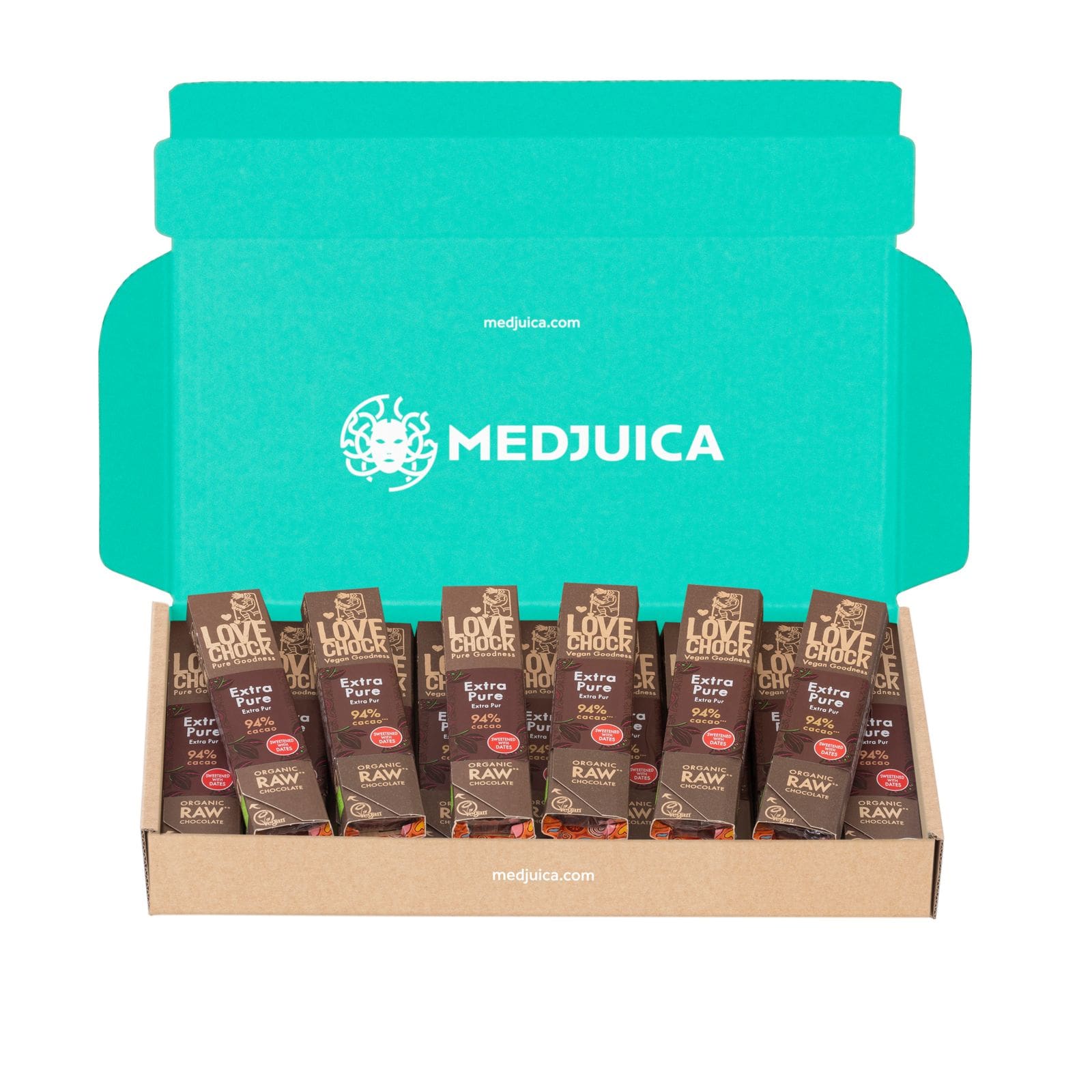
94% Dark Lovechoc Chocolate - AI Overview
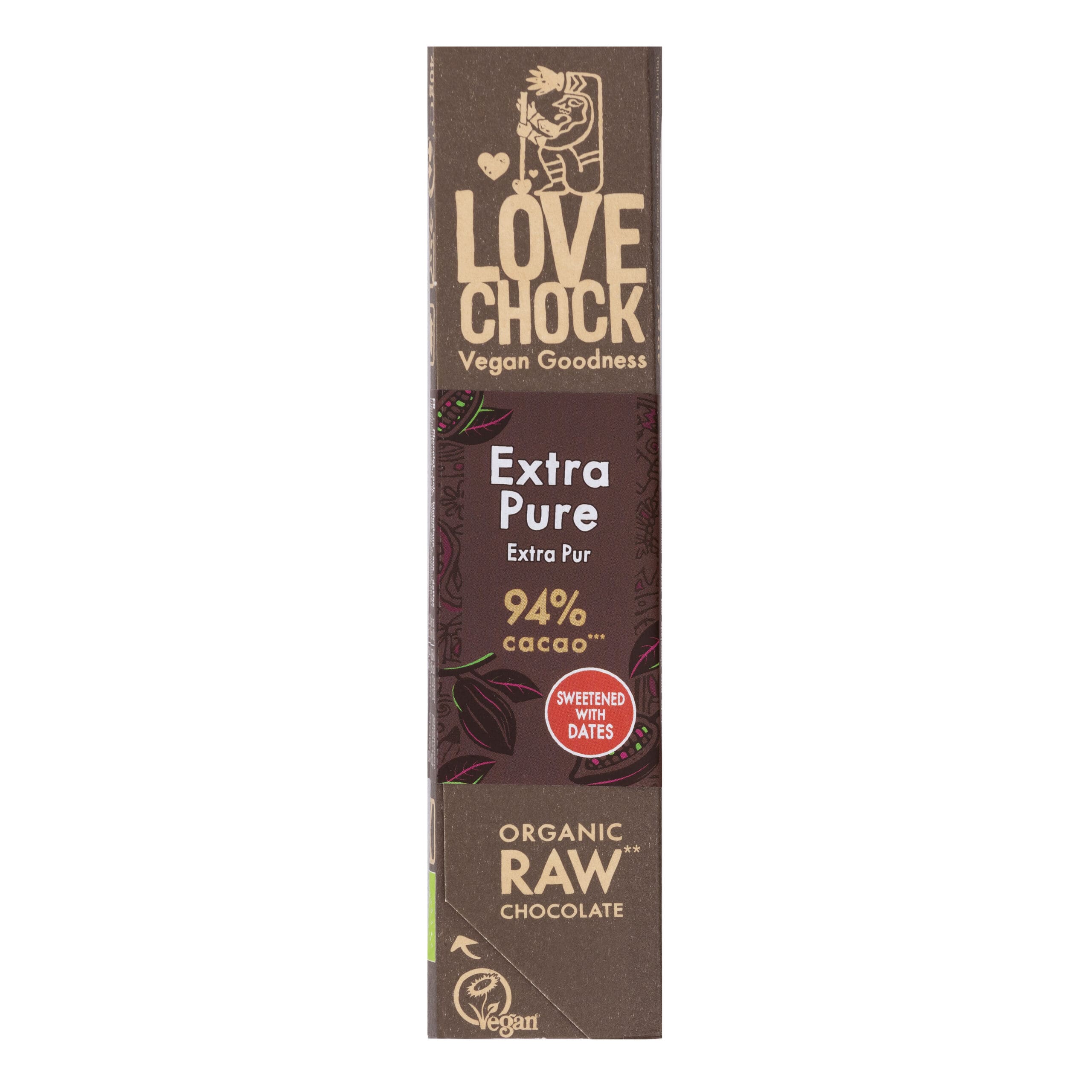
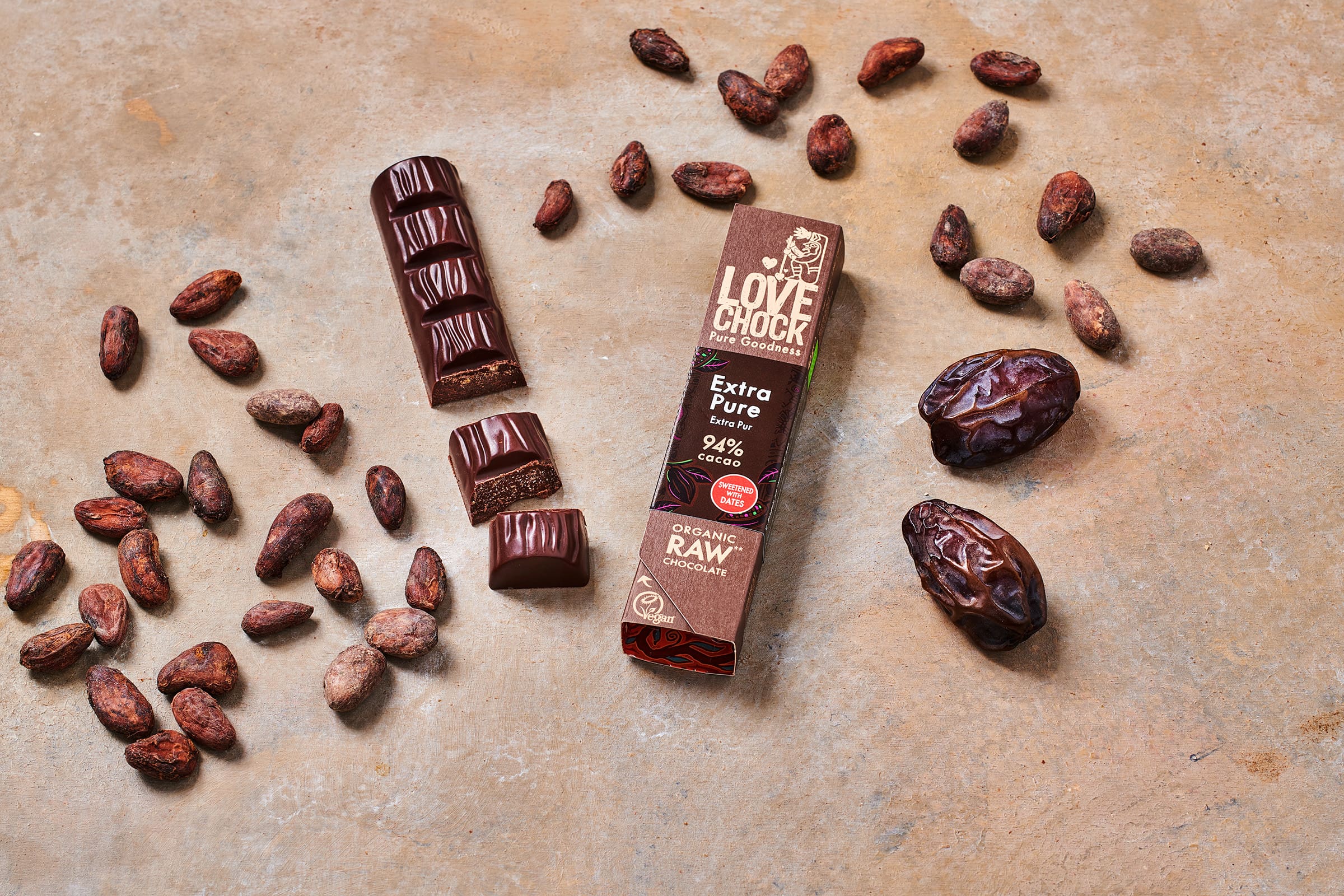
We are constantly encouraged to incorporate dark chocolate into our diet. However, most brands contain added sugar, in some it is the second highest ingredient. This is a contradiction because sugar has a negative impact on gut health – which in turn can determine brain and heart health. Our Extra Pure 94% cacao content is sweetened with dates, so it is ‘gut healthy’ and won’t provide a spike in blood sugars. Furthermore, because of the high cacao content, you just need as little as 20 grams to provide a therapeutic effect. That is just half a bar.
Incorporating small amounts of 94% dark chocolate into your diet is an excellent way to boost your health, as it provides a rich source of antioxidants, supporting gut, heart and brain health and may have a positive impact on mood and blood sugar levels. Scientifically proven studies recommend 20g-40g a day. A minimum of 85% cacao provides all the health benefits of consuming dark chocolate with the least possible calories.
AI Overview
Dark chocolate, particularly varieties with higher cocoa content (70% or more), has been the subject of numerous scientific studies due to its potential health benefits. Several meta-analyses and research studies suggest that dark chocolate may offer positive effects on gut, heart, and brain health. Here’s a summary of the key findings:
Gut Health
Prebiotic Effects: Dark chocolate, especially with higher cocoa content, is rich in flavonoids, which can act as prebiotics. These are compounds that feed beneficial gut bacteria, promoting a healthy gut microbiome. Research suggests that regular consumption of dark chocolate can lead to an increase in beneficial bacteria like *Bifidobacterium* and *Lactobacillus*.
Gut Inflammation: Flavonoids in dark chocolate also have anti-inflammatory effects, which may help reduce gut inflammation. Some studies suggest that dark chocolate could help reduce symptoms of inflammatory bowel disease (IBD).
Digestive Health: Dark chocolate has been linked to improved bowel function. It may help increase the production of short-chain fatty acids, which are beneficial for gut health and digestion.
Heart Health
Improved Blood Pressure: Meta-analyses have found that dark chocolate can help lower blood pressure, especially in people with elevated levels. This effect is largely attributed to the flavonoids, particularly epicatechin, which help improve blood vessel function and increase nitric oxide production, leading to vasodilation (widening of blood vessels).
Reduced Risk of Heart Disease: Regular consumption of dark chocolate has been associated with a reduced risk of cardiovascular diseases. Flavonoids in dark chocolate have antioxidant properties that help protect against oxidative stress and inflammation, two key contributors to heart disease.
Cholesterol Levels: Some studies suggest that dark chocolate can positively impact cholesterol levels by reducing LDL (“bad” cholesterol) and increasing HDL (“good” cholesterol). This effect may vary depending on the amount and type of dark chocolate consumed.
Brain Health
Cognitive Function: Dark chocolate’s flavonoids, especially flavanols, have been shown to enhance cognitive function. These compounds may increase blood flow to the brain, improving memory, attention, and overall brain health. Meta-analyses support the idea that moderate consumption of dark chocolate may reduce the risk of cognitive decline with age.
Mood and Mental Health: Dark chocolate has been shown to boost the production of endorphins and serotonin in the brain, leading to improved mood and reduced symptoms of anxiety and depression. The effects are thought to stem from the high content of polyphenols, which can influence brain pathways related to emotional regulation.
Neuroprotection: There is evidence that the antioxidants in dark chocolate can have a neuroprotective effect. The flavonoids in cocoa have been shown to improve blood flow to the brain, which may reduce the risk of neurodegenerative diseases like Alzheimer’s and Parkinson’s.
Key Takeaways from Meta-Analyses:
1. Cognitive Improvement: Several meta-analyses suggest that flavonoids from dark chocolate may have a small but significant impact on improving cognitive function, especially in older adults.
2. Blood Pressure and Heart Disease: Dark chocolate has consistent positive effects on reducing blood pressure and improving cardiovascular health.
3. Mood Benefits: A moderate amount of dark chocolate may enhance mood and mental well-being due to the release of neurotransmitters like serotonin.
Conclusion
The scientific evidence from meta-analyses and studies points to several health benefits of dark chocolate, particularly for gut, heart, and brain health. These effects are mainly attributed to the high levels of flavonoids and antioxidants found in dark chocolate. However, it’s important to consume dark chocolate in moderation to maximise the benefits without overdoing the or calories.
For the best results, opt for dark chocolate with at least 84% cocoa, as it contains higher levels of these beneficial compounds.
Ingredients
Ingredients:
Raw cacao mass*, cocoa butter*, dates* (12%), date powder* (5%), lucuma powder*, vanilla powder*.
*certified organic.
Nutritional Data

The type of dietary saturated fat called ‘stearic acid’ found in cacao is a long-chain saturated fatty acid which has been found to lower LDL cholesterol or have a neutral effect on blood cholesterol,
Dark chocolate with 70% cocoa or more, contains iron, magnesium, copper, and manganese, calcium, potassium, and zinc. Also traces of the fat-soluble vitamins A,E & K which will not be lost when the foods are cooked. The body does not need these vitamins every day and stores them in the liver and adipose (fat) tissue when not used. Dark chocolate also contain traces of vitamin E.
Nutritional benefits
Rich in Antioxidants
Improves Heart Health
Boosts Brain Function
Helps Regulate Blood Sugar Levels
Supports Mood and Mental Health
Good Source of Essential Nutrients
May Aid in Weight Management
Skin Health
Allergins & Warnings - Packed in a facility with nuts.
Cacao, Vanilla, Fructose, (dates)
Possible traces of Nuts
Packed in a facility with nuts.
How and when to eat
Ideally, eat it in the morning when taste buds are at their peak. The polyphenols in dark chocolate can help the body use insulin more efficiently which can help control blood sugar, improve gut microbiome and help prevent hunger pangs during the rest of the day.
Grate over desserts, yoghurt or cereal
Melt it and pour over strawberries or other fruit
Use it in baking recipes
Make a delicious Rachel Allen cake!
Packaging & Storage
All the packaging is biodegradable
Store away from heat and sunlight, refrigeration is not necessary
Meal Suggestions
Buy Organic wherever possible, especially avoid the conventional ‘dirty dozen’
Here are a few examples of ultra-nutritious food.
Steel-cut Oats (soaked overnight), sugarless Granola, Plain Greek-style Yoghurt (add Medjuica nuts and seeds) raw honey* blueberries (do not eat with the yoghurt), chopped apple, passion fruit, other fruits.
Raw vegetables cut into batons (cucumber, carrots, cauliflower, celery, spring onions) Hummus, Poached Eggs, Avocados, cottage cheese, cheddar, Gruyère. Vegetable Soups.
An array of fresh vegetables (rainbow colours) with garlic, sweet or purple potatoes. DID YOU KNOW: If you add extra virgin olive oil to a plate of vegetables that have starch the uptake of nutritious carotenoids is greatly enhanced because of the EVOO. (carotenoids are the colour pigment in vegetables) This study was pioneered by Professor Mary Flynn from Browns University in the USA. For added polyphenols, use spices & herbs.
Salads: Salad leaves, eggs, radishes, tinned or soaked legumes (beans), red onions, tomatoes, chicory, asparagus, grated carrots, red cabbage, peas. Consider adding: chopped orange, apple, figs, nuts, seeds, and olives.. Dressing: extra virgin olive oil with lemon juices or balsamic vinegar, Add Himalayan sea salt & black pepper which contain polyphenols (used glass not plastic containers). Wild sustainable oily fish (tinned is fine), brown rice or quinoa.
Probiotic Gut food: Kefir, Kombucha, Kimchi, Sauerkraut, Tenpah, Miso. Plain yoghurt
Prebiotic Gut food: Jerusalem artichoke, Chicory, onion, garlic, leeks, raspberries, beans, legumes, bananas, pears, watermelon.
*If pregnant avoid raw honey and unpasteurised cheese
Disclaimer
This product is not intended to diagnose, treat, cure, or prevent any disease.
The information provided is not a substitute for medical advice or diagnosis. Please consult with your GP or healthcare advisor if in doubt or if you’re pregnant or breastfeeding.