

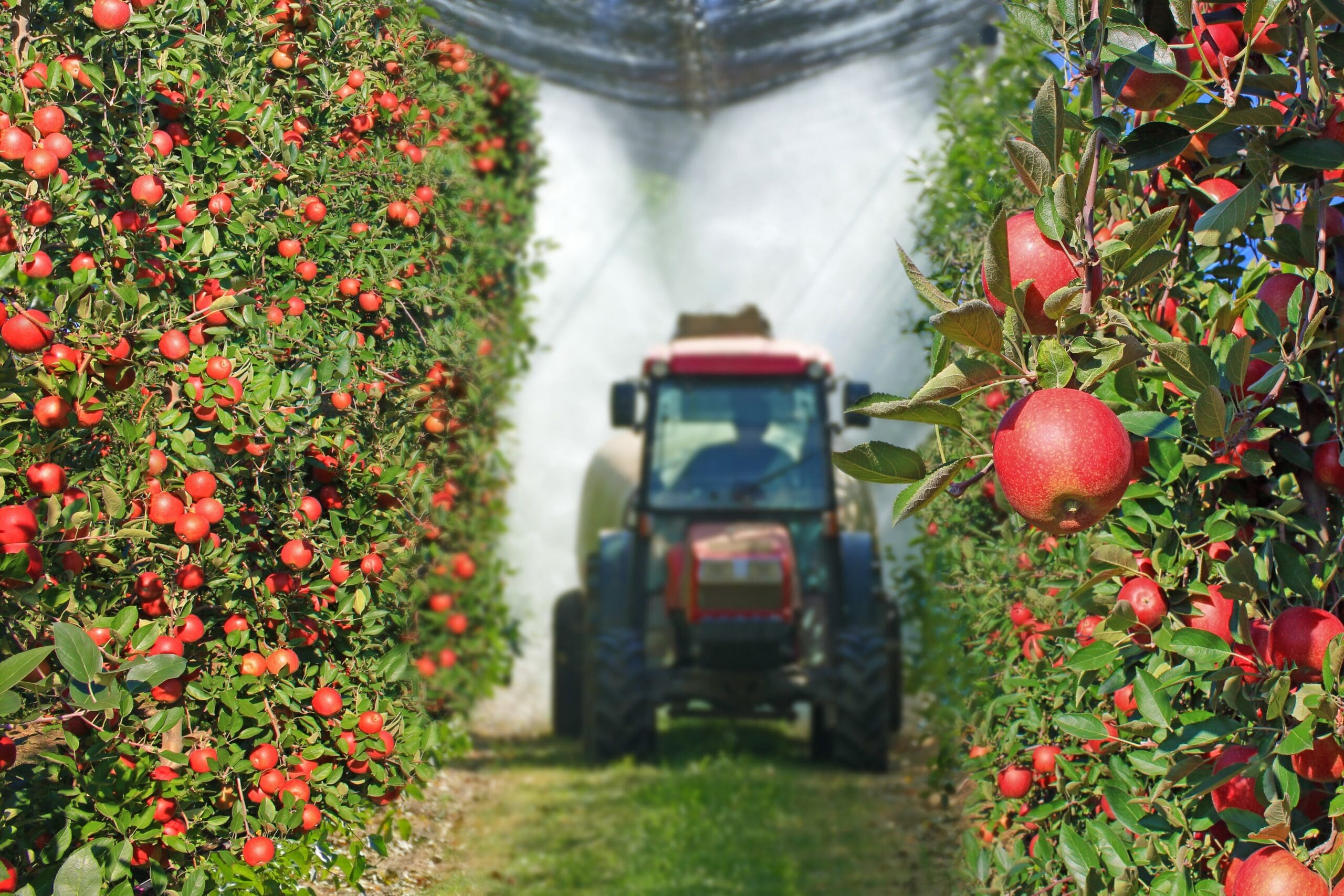
Every day, consumers eat foods such as oats, rice, wheat, beans, herbs, spices, fruit and vegetables without thought. But if we saw what was sprayed on these crops, which is absorbed in the plant’s cells, would be still pollute our bodies with these toxins?
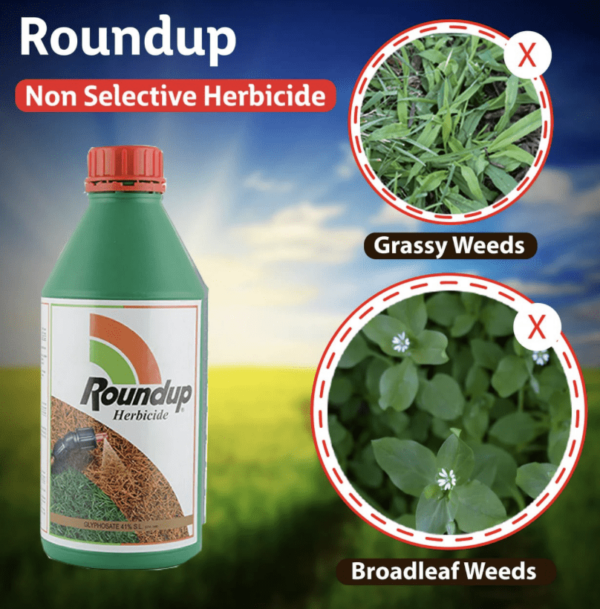
Glyphosate is the active ingredient in Roundup, the most widely used herbicide in the world. The World Health Organization’s (WHO) International Agency for Research on Cancer classified Glyphosate as “probably carcinogenic”. Yet in 2023, the EU sanctioned the use of Glyphosate for 10 more years. There has been a tenfold increase in the use of Glyposphate in the last 25 years. We are a generation of guinea pigs and it’s going to get worse.
Pharmaceutical and agrochemical giant Bayer, AG which acquired the herbicide’s original producer Monsanto in 2018, is now facing thousands of lawsuits from people who claim the Glyphosate in Roundup exposure caused cancer and neurodegenerative disorders, such as Parkinson’s Disease. It inhibits the cytochrome P450 enzyme, which is essential for the metabolism of many medications. Oxidative stress was observed in the embryos of chicks treated with Glyphosate or Roundup® It disrupts the gut biome which can cause Celiac disease and Gluten intolerance.
The Environmental Protection Agency (EPA) continues to claim Glyphosate is safe despite the WHO’s declaration.
Apart from risking the health of humans and causing a decline in biodiversity the use of Glyphosate is putting bee colonies at risk of survival. Glyphosate “disrupts the foraging abilities and navigation, impacts their nervous system which affects bees’ behaviour at very low concentrations and has a negative impact on the colony’s potential to survive. Even Round-Up without Glyphosate is detrimential to the bee colony.
The US National Investigation Pesticidee Information Centre (NPIC) website on Glyphosate states: Plants exposed to the chemical display stunted growth, loss of green coloration, leaf wrinkling or malformation, and tissue death. Death of the plant may take from 4 to 20 days to occur.
Signs of Toxicity – Animals
Animals exposed to formulated Glyphosate herbicides have displayed anorexia, lethargy, hypersalivation, vomiting, and diarrhea. Symptoms persisted for 2 to 24 hours following exposure. The surfactants in formulated products are thought to be responsible for the clinical signs.
Clinical signs typically appear within 30 minutes to 2 hours following ingestion. Animals may exhibit excitability and tachycardia at first, followed by ataxia, depression, and bradycardia. Severe cases may progress to collapse and convulsions.
The Veterinary Poisons Information Service in London, England recorded 150 cases over an 8-year period of dogs exposed to Glyphosate primarily from eating grass recently treated with formulated products. Of these, roughly 40% of the dogs exhibited no clinical signs, 45% exhibited mild to moderate clinical signs, and roughly 15% were classified as serious.
The Centre National d’Informations Toxicologiques Veterinaires of France reported 31 certain cases of intoxication of domestic animals by Glyposate-containing products in a 3-year period.
Signs of Toxicity – Humans
Eye and skin irritation have occasionally beenn reported from dermal exposure to Glyphosate formulations. Inhalation of spray mist may cause oral or nasal discomfort, as well as tingling and throat irritation.
Endocrine Disruption:
Rats and mice were fed a diet containing of 99% pure Glyphosate for 13 weeks. The two highest dose groups of male rats had a significant reduction in sperm concentrations
According to French NGO “Générations futures”, Bayer and the now defunct Monsanto allegedly concealed a study highlighting the toxic effects of Glyphosate on neuronal development. Scientific studies have shown cause and effect.
How much proof do we need before we as consumers take action? Often our demand for low-cost foods determines the extent to which these pharmaceutical giants go in order to satisfy our demands. We have a collective responsibility to change the status quo. We are effectively ‘the turkey voting for Christmas’ and we can only have ourselves to blame.
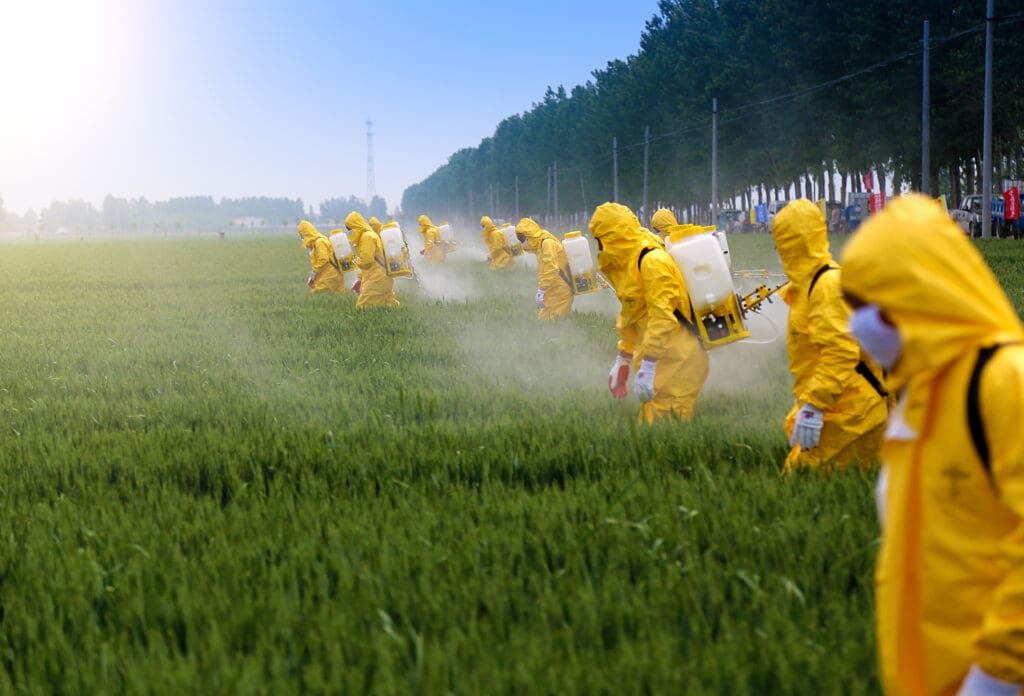
As consumers, we need to be mindful that buying non-organic products is contributing, not only to our ill health and that of our children, but also to the health of impoverished workers. Furthermore, it is detrimental to biodiversity, to farming and marine life which becomes polluted when chemicals are leached from the soil into the rivers and sea. The food on our dinner plate is contaminated because we allowed it to happen. In the case of Gyphosphate you really do reap what you sow.
To sign the petition to get Gyphosphate banned, click here
If you’re in the USA, click here
Important Links Concerning Agrochemical Use
Why Politicians Can Determine Our Health
EU Gives the Green Light To The Use Of Gyposphate For 10 More Years
Oxidative stress was observed in the embryos of chicks treated with Glyphosate or Roundup®
Legal Action in USA against Roundup
Glyphosate Sprayed on GMO Crops Linked to Lake Erie’s Toxic Algae Bloom
In USA Pesticides were found on 90 percent of conventional blueberry
Pesticides & the BEE population due to the toxin thiamethoxam
PFAS (Forever chemicals) are abosrbed throught the skin
Plastic Food Containers – Are They Safe?
50% reduction in single-use plastic by 2025 – will it happen?
Podcast on Organic v non-organic food from Zoe Scientific
Take one fruit example where agrochemicals are used extensively. Pineapples from Costa Rica: Every time you buy a non-organic pineapple you risk absorbing chemicals such as organophosphates, organochlorines, ethylene gas, hormone disruptors, chemicals which are carcinogenic and are toxic to embryos. You also contribute to the ill health of the workers and their livelihood because the soil and rivers are polluted by these agrochemicals. So, while ‘pineapples’ may come low on the list of food with pesticide residue, that is not the case for the workers who are subjected to the dangerous gas and toxic agrochemicals which are used to get them onto our supermarket shelves. Buy ORGANIC!
Organically farmed Pineapples in Costa Rica
Ethylene-sprayed gas on pineapples (2m 30s)